
Dance cannot change the underlying sequence of DNA. However, scientific research suggests that dance and physical activity may influence how genes are expressed through epigenetic mechanisms. In other words, movement may affect physical and mental health by influencing gene activity without changing the original genetic code.
Dance can help reduce stress, regulate hormones and may influence biological pathways related to ageing, metabolism and immune function.
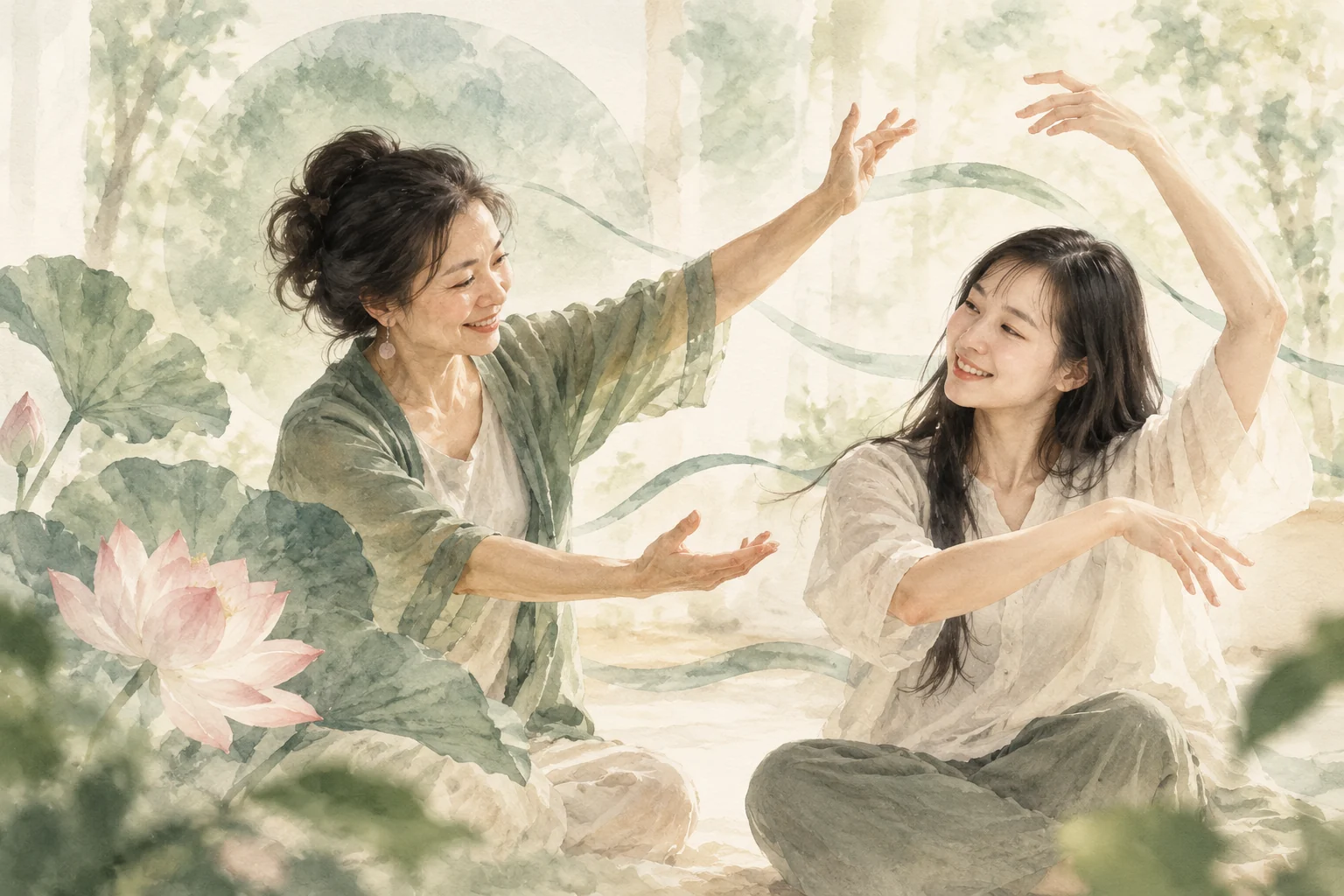
1. DANCE AND STRESS REGULATION
• Stress can accelerate ageing; dance can help clear stress. When the body is more relaxed, telomeres—the protective ends of chromosomes—may be less affected by chronic stress.
• “Feel-good” hormones can increase while cortisol, a stress hormone, may decrease.
• Physical activity in general, including dance, can influence the expression of genes involved in metabolism and immune function (Denham et al., 2015).
2. DANCE HELPS THE BRAIN REMEMBER
• Learning a new dance = creating new neural connections and supporting long-term memory.
• During dance, blood flow to the brain increases; the brain receives information from the body and becomes more responsive to emotional signals and emotional regulation.
• Regular dance may help reduce the risk of Alzheimer's disease and support brain plasticity (Rehfeld et al., 2018).
• By helping reduce stress, dance may also support telomere protection and cellular longevity. Epel et al. (2004) reported that chronic stress can shorten telomeres, with implications for ageing and health.
3. DANCE AND IMMUNE FUNCTION
Dance may affect the immune system by influencing hormones and inflammatory responses in the body:
• Lower cortisol: cortisol is a stress hormone that can weaken immune function. When stress decreases, the body may be better able to support its own defenses. Kiecolt-Glaser et al. (2010) discussed links between psychosocial processes, stress and immune regulation.
• Endorphins and oxytocin: these hormones are associated with pain relief, positive affect and social bonding. Koelsch et al. (2016) and Thurner et al. (2019) are cited in relation to these effects. Less stress and lower cortisol may support stronger immune regulation.
Denham et al. (2015) examined the relationship between physical activity and epigenetic processes, suggesting that physical activity can influence how genes involved in metabolism and immune function are expressed.
4. DANCE = PSYCHOLOGICAL PROCESSING + EMOTIONAL RELEASE
• The body can hold trauma, and movement can become part of the process of release (Bessel van der Kolk, The Body Keeps the Score).
• Dance may support people experiencing depression, anxiety and communication difficulties.
• Group dance can increase social connection, reduce loneliness and strengthen feelings of safety, empathy and affection.
CONCLUSION
Dance does not “edit” DNA, but it may support patterns of gene expression associated with health by reducing stress, supporting memory and contributing to both mental and physical well-being.
Spending time dancing each day is already valuable—many forms of dance can be beneficial. Organic movement that connects body, emotion, and mind may feel more challenging, yet this deeper connection can also be especially meaningful.
If you need support, you can connect with Vietnam Dance/Movement Therapy.