
In recent years, research in somatic psychology and interpersonal neurobiology has increasingly drawn attention to the powerful ways bodily movement can affect the nervous system, emotion and psychological regulation.
As a result, approaches such as Dance/Movement Therapy and therapeutic dance have attracted growing interest. However, they are not the same.
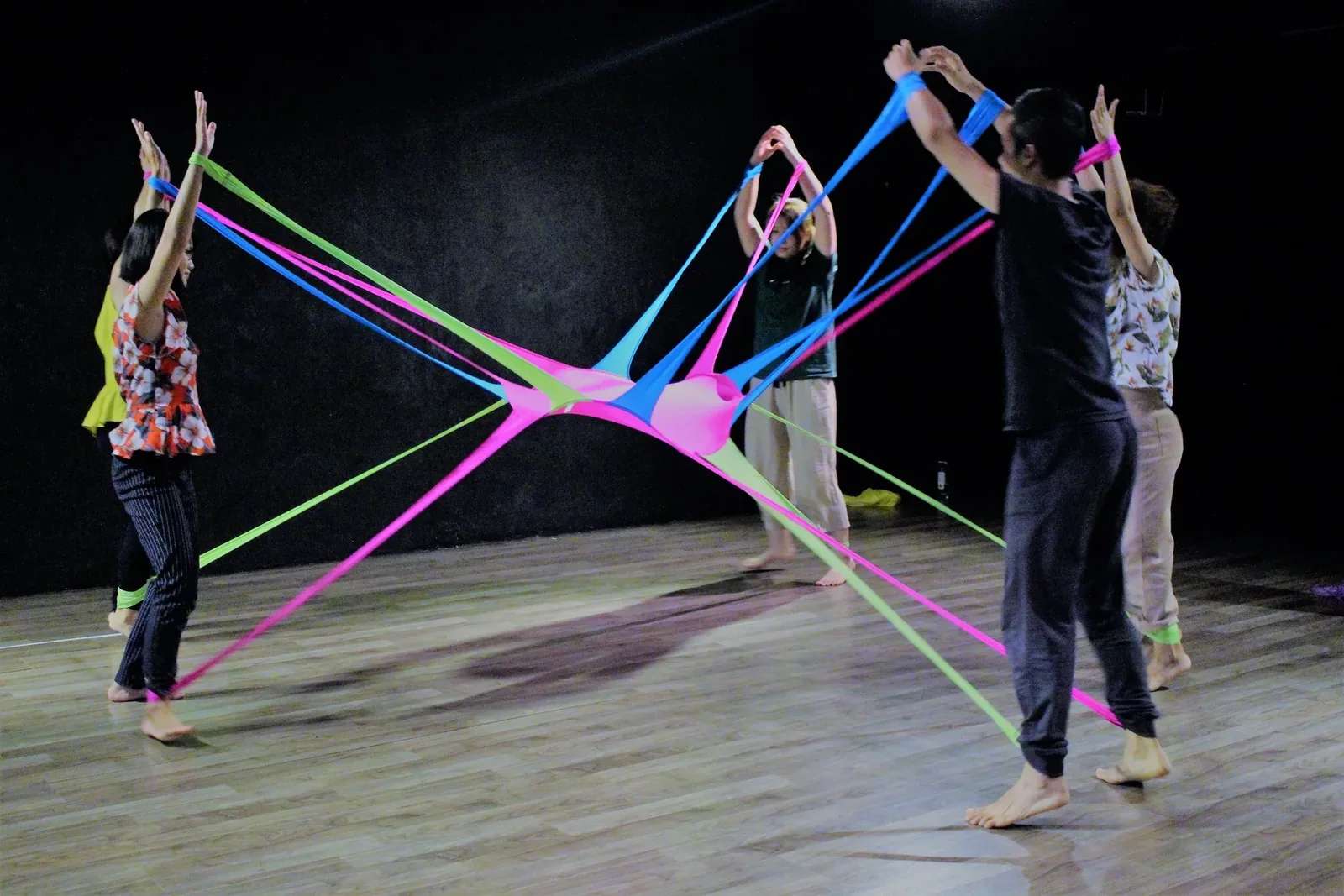
Dance/Movement Therapy (DMT)
Dance/Movement Therapy is a formal form of psychotherapy in which bodily movement is used as a clinical intervention. According to the American Dance Therapy Association (ADTA), DMT is grounded in the principle that “body and mind are interconnected, and movement reflects inner psychological processes.”
Dance/movement therapists receive structured training in psychology, motor development, neuroscience and movement analysis, and learn to observe and intervene through nonverbal processes. Importantly, a dance/movement therapist must hold at least a master’s degree, complete at least 750 hours of supervised clinical practice, follow strict professional ethics, and continue professional development through professional bodies such as the American Dance Therapy Association and relevant organizations in the Asia-Pacific region.
DMT has been studied in relation to anxiety, depression, PTSD, developmental disorders and psychological trauma across a wide range of ages. It is practiced in hospitals and community-health settings in Western countries and in some Asian countries including Japan and South Korea. In psychotherapy, dance and movement are used with clear therapeutic aims to support positive change across body, mind and emotion.
Therapeutic Dance
Any form of dance—free movement, folk dance, contemporary dance, ballet or creative dance—can carry naturally therapeutic qualities. Dance, like the arts more broadly, can help us feel more comfortable and can bring relaxation and joy after practice. These experiences can happen through online learning, with teachers, with friends or informally, without being led by a dance/movement therapist, without a treatment plan, and in many different settings.
Barbara Mettler (1980) wrote that dance can take many forms and meet many needs: it can be entertainment, performance, culture, education or religious practice. In its purest and most basic form, dance is art—the expressive movement of the body as a means of communication, connection, integration and social exchange. Dance is a fundamental human need.