1. WHAT IS DANCE/MOVEMENT THERAPY (DMT)?
Dance/Movement Therapy (DMT) is a recognized form of psychotherapy in which bodily movement becomes a means of clinical intervention, supporting regulation and the integrated development of body, mind and emotion.
According to the American Dance Therapy Association (ADTA), the approach is grounded in a simple yet profound principle: body and mind are inseparable, and movement is the visible expression of a person's inner psychological life.
In therapeutic practice, movement is not performance, aesthetic display, technical skill or the pursuit of external trends. It is a primal language that allows people to communicate what lies deep within when words become burdensome or are no longer enough. Through bodily movement, clients may express emotions, memories, fears, hopes and experiences that have never been named.
DMT is a therapeutic discipline with a structured theoretical foundation and a clear clinical process, requiring specialized training at master's level and at least 750 hours of supervised clinical practice. This is part of what establishes DMT as a professional therapeutic modality.
2. WHAT IS PALLIATIVE CARE?
According to the World Health Organization (WHO), palliative care is a comprehensive approach aimed at improving the quality of life of patients and their families when they face serious or life-threatening illness.
Palliative care is not reserved only for the final days of life. It can begin early and accompany medical treatment. Its focus is on relieving suffering and offering comprehensive physical, psychological, social and spiritual support through a multidisciplinary team that may include doctors, nurses, psychologists, social workers and spiritual-care professionals.
The difference lies in the approach
Palliative care often begins with medical needs and symptoms: pain relief, symptom management and emotional support for patients and their families.
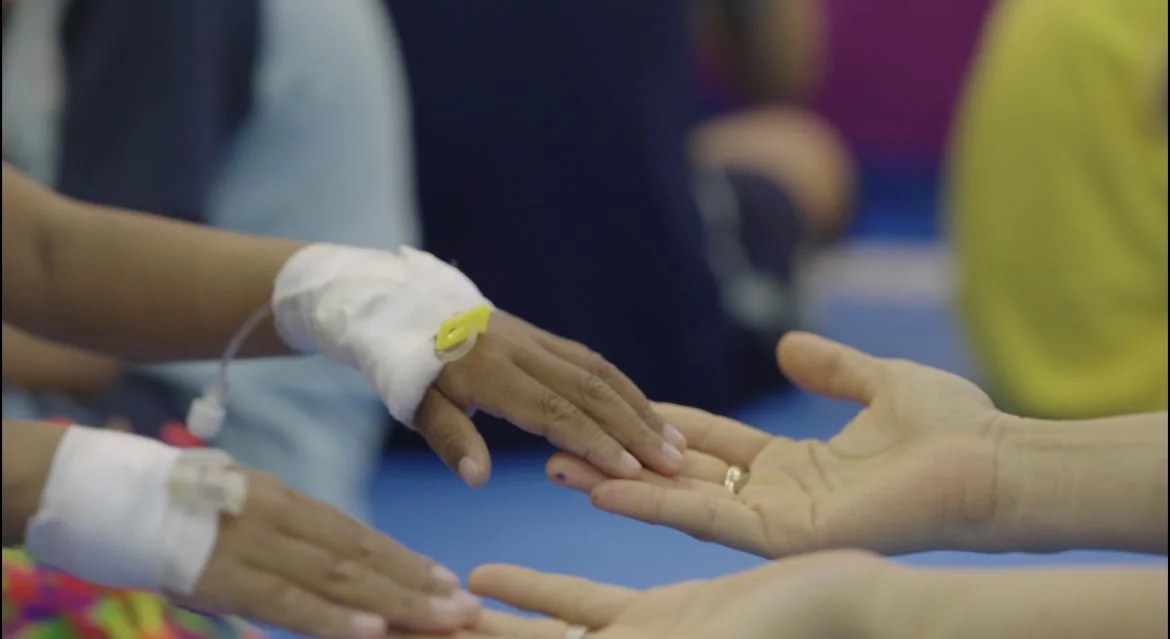
Dance/Movement Therapy asks a different question: “In this situation, what does your body need in order to still feel that you are living, rather than merely existing?” When the body becomes weak or painful, many people gradually lose connection with themselves. DMT helps the client sense the body again. Breathing or simply shifting the gaze can become more than mechanical actions; they can become conscious experiences of reconnection, helping a person rediscover a sense of choice even in a fragile condition.
When Dance/Movement Therapy and palliative care meet
As mind–body medicine continues to develop, combining Dance/Movement Therapy with palliative care can help make the experience of care more complete. DMT brings a deeply human dimension to care: a place where a person can be seen and heard, rather than reduced to an illness or a set of symptoms. This integration has been explored in research:
- Quality of life and anxiety: Dance/Movement Therapy has been associated with improvements in psychological and physical outcomes, including reduced fatigue and anxiety (Bradt & Goodill, 2015).
- Emotional support near the end of life: movement-based interventions have been positively received by patients, offering a sense of connection and meaning even during some of life's most sensitive stages (Woolf & Fisher, 2015).
In clinical practice, the dance/movement therapist supports patients in being listened to through the body. They may begin to sense their wishes and inner concerns, notice subtle rhythms and responses around them, and gradually work with emotions and relationships that remain unfinished—learning to stay with uncertainty with less need for control, anxiety or fear.
Dance/Movement Therapy creates a safe space for patients, their families and the care team, where even the smallest movement can become a testament to a life that remains meaningful and fully human.
Dance is not only art. When art and science come together, DANCE can become a form of medicine for mental health and emotional care.